“ Donal turned his eyes upon her. How thin she looked in the last of the sunlight! A pang went through him at the thought that one day he might be alone with Davie in the huge castle, untended by the consciousness that a living light and loveliness flitted somewhere about its gloomy and ungenial walls. But he would not think the thought! How that dismal Miss Carmichael must have worried her! When the very hope of the creature in his creator is attacked in the name of religion; when his longing after a living God is met with the offer of a paltry escape from hell, how is the creature to live! ”
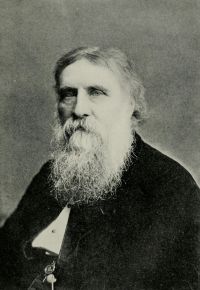
George MacDonald
Summary
George MacDonald’s Donal Grant is a novel exploring spiritual growth, redemption, and the tension between earthly and divine ambitions. Centered on Donal, a man confronting his past, and Davie, a boy he aims to lead, the narrative unfolds against themes of faith, devotion, and the moral challenges of 19th-century Scotland.
Set in a castle and the surrounding countryside, it examines the relationship between personal change and societal limitations, with characters like Arctura and the cobbler representing opposing spiritual and material realms. Through discussions on love, death, and meaning, MacDonald constructs a tale in which inner illumination triumphs over outer darkness, concluding with a reflection on the importance of self-sacrifice and trust in the divine.
Quotes from Donal Grant (George MacDonald)
“ About death you know nothing. God has told us only that the dead are alive to him, and that one day they will be alive again to us. The world beyond the gates of death is, I suspect, a far more homelike place to those that enter it, than this world is to us.“I don’t like death,” said Davie, after a silence.“I don’t want you to like, what you call death, for that is not the thing itself—it is only your fancy about it. You need not think about it at all. The way to get ready for it is to live, that is, to do what you have to do.” ”
“ Forgue smiled an impertinent smile and held his peace: the threat had for him no terror.“I shall be the better able,” continued his lordship, “to provide suitably for Davie; he is what a son ought to be! But hear me, Forgue: you must be aware that, if I left you all I had, it would be beggary for one handicapped with a title. You may think my anger unreasonable, but it comes solely of anxiety on your account. Nothing but a suitable marriage—the most suitable of all is within your arm’s length—can save you from the life of a moneyless peer—the most pitiable object on the face of the earth. ”
