Eclogue

Definition and stakes

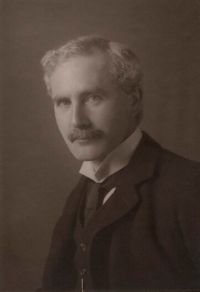
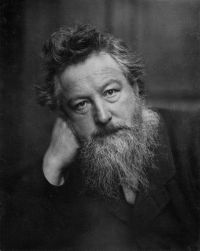
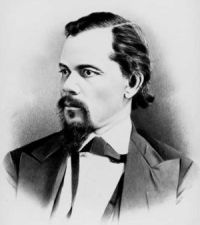
Portrait of Edward Albert Edward Albert,  A history of English literature (1923)

“ The title, adopted from a popular compilation of the day, suggests the contents: a series of twelve eclogues, one for each month of the year. Each eclogue, as is common with the species, is in dialogue form, in which the stock pastoral characters, such as Cuddie, Colin Clout, and Perigot, take part. The pieces, though they are of no great poetical merit, served as excellent poetical exercises, for they range widely in meter, contain much skillful alliteration, and juggle with the conventional phrases of the pastoral. ”
Source: Gutenberg

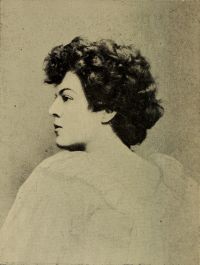
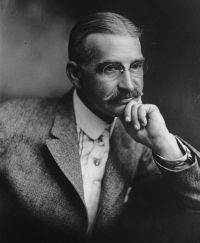
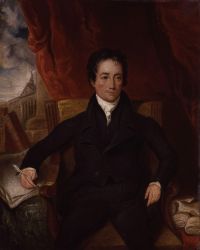
Portrait of Charles Lamb Charles Lamb,  The Works of Charles and Mary Lamb…

“ I compare dissimilar things, as one would a rose and a star for the pleasure they give us, or as a child soon learns to choose between a cake and a rattle; for dissimilars have mostly some points of comparison. The next best poem, I think, is the First Eclogue; 'tis very complete, and abounding in little pictures and realities. The remainder Eclogues, excepting only the "Funeral," I do not greatly admire. I miss one, which had at least as good a title to publication as the "Witch," or the "Sailor's Mother." ”
Source: Gutenberg

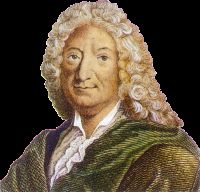
W. Y. Sellar,  The Roman Poets of the Augustan Age…

“ The objections often urged against the poetical value of the Eclogues may be admitted. They are imitative in form. They do not reproduce scenes and characters from actual life, nor are they consistent creations of the imagination. They do not possess the interest arising from a contemplative insight into the hidden workings of Nature, nor from reflection on the problems of life. ”
Source: Gutenberg

Get perspective with Kwize: daily news enlightened by great literature