Elegy

Definition and stakes

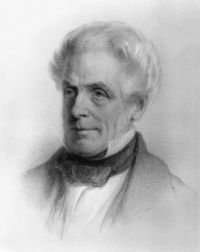
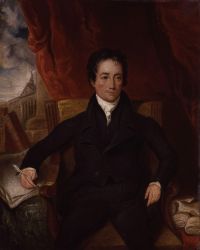
Portrait of Samuel Taylor Coleridge Samuel Taylor Coleridge,  Specimens of the Table Talk of Samuel Taylor Coleridge

“ ELEGY.—LAVACRUM PALLADOS.—GREEK AND LATIN PENTAMETER.—MILTON'S LATIN POEMS.—POETICAL FILTER.—GRAY AND COTTON. Elegy is the form of poetry natural to the reflective mind. It may treat of any subject, but it must treat of no subject for itself; but always and exclusively with reference to the poet himself. As he will feel regret for the past or desire for the future, so sorrow and love become the principal themes of elegy. Elegy presents every thing as lost and gone, or absent and future. ”
Source: Gutenberg

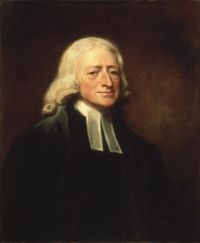
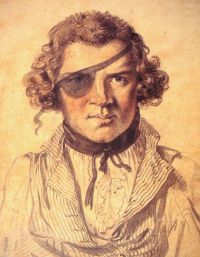
Portrait of Samuel Johnson Samuel Johnson,  The Lives of the Most Eminent English Poets (1794)

“ His conception of an Elegy he has in his Preface very judiciously and discriminately explained. It is, according to his account, the effusion of a contemplative mind, some times plaintive, and always serious, and therefore superior to the glitter of slight ornaments. His compositions suit not ill to this description. His topicks of praise are the domestick virtues, and his thoughts are pure and simple; but, wanting combination, they want variety. The peace of solitude, the innocence of inactivity, and the unenvied security of an humble station, can fill but a few pages. ”
Source: Wikisource

Get perspective with Kwize: daily news enlightened by great literature