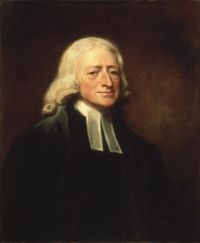
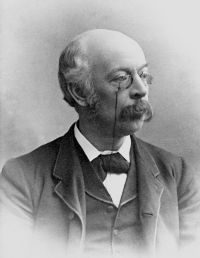
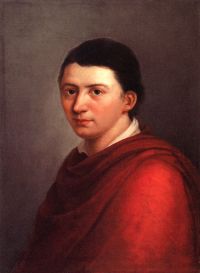
Rationality, the quality of being guided by reason, underpins human thought, action, and belief, serving as a cornerstone for assessing coherence, evidence, and intent. From William James, who linked rationality to the activation of active impulses, to Josiah Royce, who framed ethical "Ought" as the logical expression of will, authors have examined its interaction with freedom, truth, and purpose.
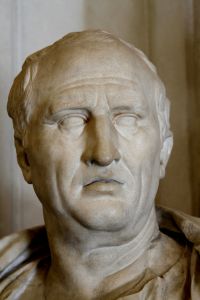
Cicero associated reason with the pursuit of intrinsic good, while Thomas Hill Green highlighted the need for rational harmony with nature’s order. These viewpoints reveal rationality as both an individual capacity and a universal criterion, connecting personal decisions with shared values, as seen in discussions on theoretical versus practical reasoning and the boundaries of human calculation.