Ethology

Definition and stakes

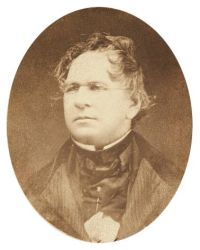
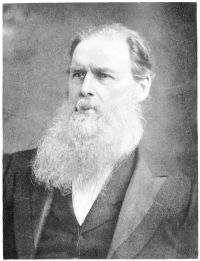
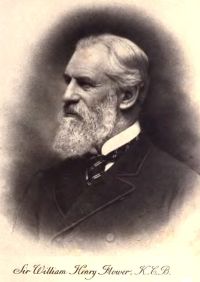
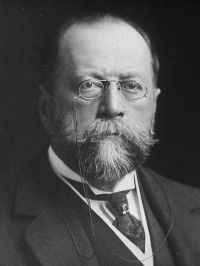
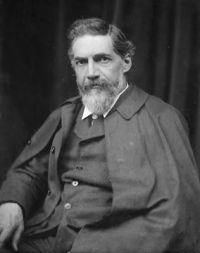
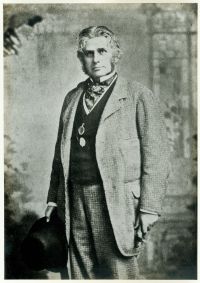
Portrait of John Stuart Mill John Stuart Mill,  A System of Logic, Ratiocinative and Inductive (1881)

“ The causes of national character are scarcely at all understood, and the effect of institutions or social arrangements upon the character of the people is generally that portion of their effects which is least attended to, and least comprehended. Nor is this wonderful, when we consider the infant state of the science of Ethology itself, from whence the laws must be drawn, of which the truths of political ethology can be but results and exemplifications. ”
Source: Wikisource

Portrait of William Graham Sumner William Graham Sumner,  Folkways

“ Literature and drama in ethology. Poetry, drama, and literary fiction are useful to ethology in one or the other of two ways: (1) they reveal facts of the mores; (2) they show the longings and ideals of the group,—in short, what the people like and wish for. The second division includes mythology, fairy tales, and extravaganzas. The taste for them, if it exists, is a feature of the mores, but in fact such a taste is hardly ever popular. It is a product of culture. Myths, legends, proverbs, fables, riddles, etc., are popular products. ”
Source: Gutenberg

Get perspective with Kwize: daily news enlightened by great literature