Summary

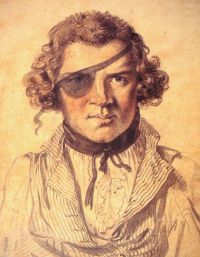
Portrait of William Alexander William Alexander Expositor's Bible: The Epistles of St…

Humanity has had to travel thousands of miles, inch by inch, towards the light. We have made such progress that we can see that in time, relatively short, we shall be in noonday. After long ages of strife, of victory for hard hearts and strong sinews, goodness begins to wipe away the sweat of agony from her brow; and will stand, sweet, smiling, triumphant in the world. A gracious life is free for man; generation after generation a softer ideal stands before us, and we can conceive a day when "the meek shall inherit the earth." Do not say that evolution, if proved à outrance, brutalises man.
Source: Gutenberg

Portrait of William Alexander William Alexander Expositor's Bible: The Epistles of St…

Morality is so icy, and so intolerant; its doctrines have the ungentlemanlike rigour of the Athanasian Creed. Genius breaks hearts with such supreme gracefulness, such perfect wit, that they are arrant Philistines who refuse to smile.
We who have the text full in our mind answer all this in the words of the old man of Ephesus. For all that angel-softness which he learned from the heart of Christ, his voice is as strong as it is sweet and calm. Over all the storm of passion, over all the babble of successive sophistries, clear and eternal it rings out—"all unrighteousness is sin."
Source: Gutenberg

Portrait of William Alexander William Alexander Expositor's Bible: The Epistles of St…

Never indeed should we force that judgment upon any, unless they force it upon us. Let us avoid as far as we may posthumous gossip over the grave of genius. It is an unwholesome curiosity which rewards the blackbird for that bubbling song of ecstasy in the thicket, by gloating upon the ugly worm which he swallows greedily after the shower. The pen or pencil has dropped from the cold fingers. After all its thought and sin, after all its toil and agony, the soul is with its Judge. Let the painter of the lovely picture, the writer of the deathless words, be for us like the priest.
Source: Gutenberg

Get perspective with Kwize: daily news enlightened by great literature