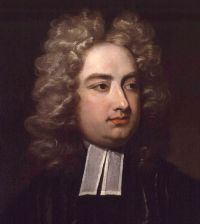
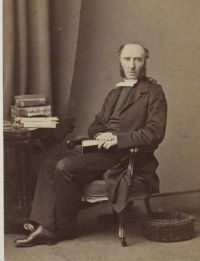
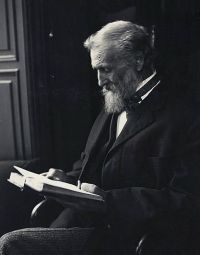
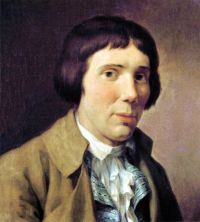
A walk, at its core, is a simple act of movement—a rhythmic passage across terrain that connects the physical and the reflective. Authors have long imbued this activity with deeper meaning: Hilaire Belloc viewed walks as miniature dramas woven into life’s patterns, while John Ruskin praised them as the most engaging way to travel, highlighting sensory engagement.
Henry David Thoreau may have seen it as a route to self-discovery, and Joseph Addison admired its ability to captivate the senses. From practical advice on posture to poetic musings on companionship, the theme portrays walking as both a physical act and a metaphor for the fluidity of existence, its nature captured in the balance between motion and awareness.
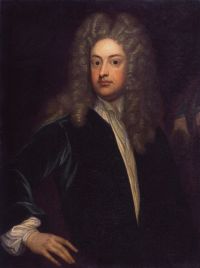 Joseph Addison,
The Tatler, Volume 3
Joseph Addison,
The Tatler, Volume 3