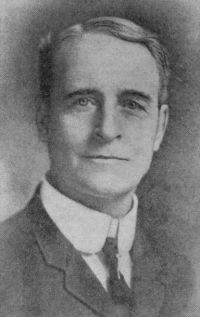
James L. Hughes

James L. Hughes

Summary

Portrait of James L. Hughes James L. Hughes Dickens As an Educator

Dickens had reached the great conception that the duty of every individual is to add something by his life to the general good. That we should not leave the world as we found it; that our work is not done well if we spend our lives in digging among the richest treasures of the past and revealing them unselfishly to our fellow-men, but that each should make some existing thing or condition better, or reveal some new thought or principle, or plan, or process, so that humanity may climb more easily and more certainly from the mists and shadows to the higher glory of the clearer light.
Source: Gutenberg

Portrait of James L. Hughes James L. Hughes Dickens As an Educator

Sympathy was the origin of all he wrote against coercion in all its dread forms, of all he wrote about robbing children of a real childhood, about the dwarfing of individuality, about the strangling of the imagination, about improper nutrition, about all forms of neglect, and cruelty, and bad training. The more fully his nature is known the more deeply he is loved, because of his great love for the child.
Source: Gutenberg

Portrait of James L. Hughes James L. Hughes Dickens As an Educator

To be ready at all times with a wise answer to that question, ought to be the ambition of every one upon whom a child’s nature depends for the means of healthy growth. The frolic of childhood is not pure exuberance and waste. “There is often a high meaning in childish play,” said Froebel. Let us study it, and act upon hints—or more than hints—that Nature gives. They fall into a fatal error who despise all that a child does as frivolous. Nothing is trifling that forms part of a child’s life.
Source: Gutenberg

Get perspective with Kwize: daily news enlightened by great literature