Bleak House

Definition and stakes

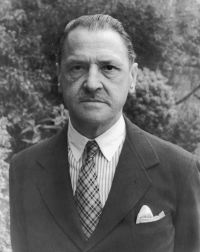
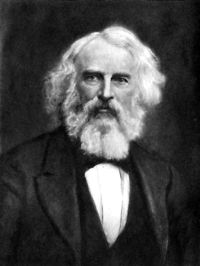
Portrait of Charles Dickens Charles Dickens,  Bleak House (1853)

“ It is a street of perishing blind houses, with their eyes stoned out, without a pane of glass, without so much as a window-frame, with the bare blank shutters tumbling from their hinges and falling asunder, the iron rails peeling away in flakes of rust, the chimneys sinking in, the stone steps to every door (and every door might be death’s door) turning stagnant green, the very crutches on which the ruins are propped decaying. Although Bleak House was not in Chancery, its master was, and it was stamped with the same seal. ”

Source: Gutenberg

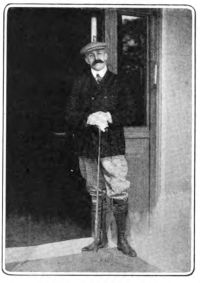
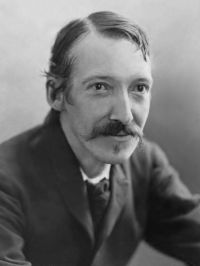
Portrait of Apsley Cherry-Garrard Apsley Cherry-Garrard,  The Worst Journey in the World…

“ Bleak House was the most successful book I ever took away sledging, though a volume of poetry was useful, because it gave one something to learn by heart and repeat during the blank hours of the daily march, when the idle mind is all too apt to think of food in times of hunger, or possibly of purely imaginary grievances, which may become distorted into real foundations of discord under the abnormal strain of living for months in the unrelieved company of three other men. ”
Source: Gutenberg

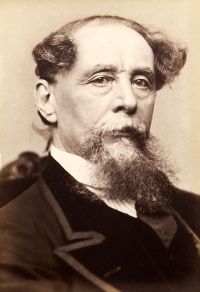
Portrait of Charles Dickens Charles Dickens,  Bleak House (1853)

“ But the house in town, which is rarely in the same mind as Chesney Wold at the same time, seldom rejoicing when it rejoices or mourning when it mourns, excepting when a Dedlock dies—the house in town shines out awakened. As warm and bright as so much state may be, as delicately redolent of pleasant scents that bear no trace of winter as hothouse flowers can make it, soft and hushed so that the ticking of the clocks and the crisp burning of the fires alone disturb the stillness in the rooms, it seems to wrap those chilled bones of Sir Leicester’s in rainbow-coloured wool. ”
Source: Gutenberg

Get perspective with Kwize: daily news enlightened by great literature