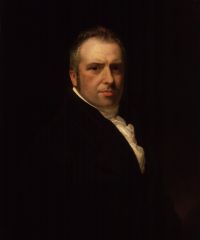
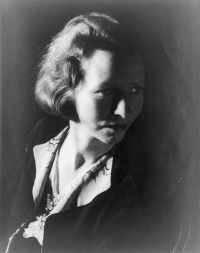
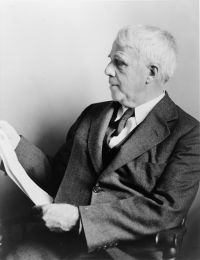
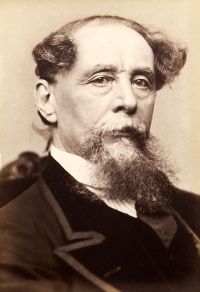
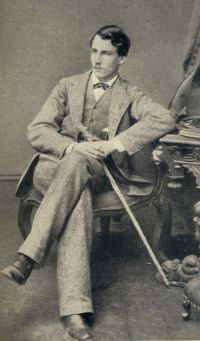
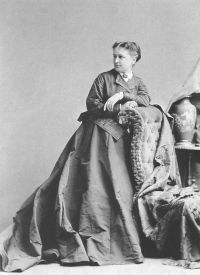
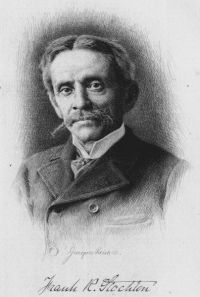
A room is a distinct, enclosed space within a structure, defined by walls, doors, and functional design, serving specific human activities. Authors have long explored rooms as vessels of emotion, memory, and identity. Nathaniel Hawthorne evokes a room’s quiet ambiance, linking it to introspection, while Elizabeth Sara Sheppard portrays spaces as realms of aesthetic and emotional resonance.
Hugh Walpole transforms rooms into stages for narrative tension, and Alfred Tennyson celebrates them as sanctuaries of creativity. From H. G. Wells’ stark, isolating lair to Edith Nesbit’s intimate, personalized nook, rooms emerge as microcosms reflecting human experience, social roles, and the interplay between architecture and psyche.
 Nathaniel Hawthorne,
Twice-Told Tales
(1851)
Nathaniel Hawthorne,
Twice-Told Tales
(1851)