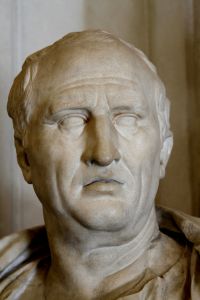
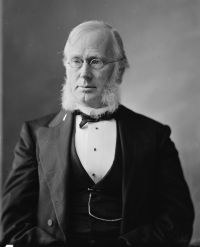
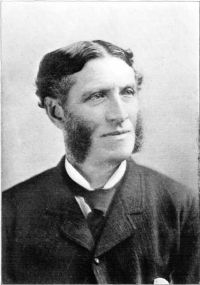
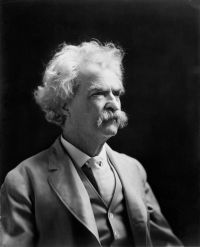
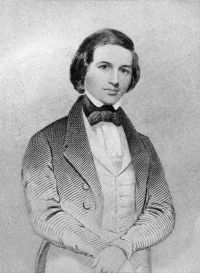
The parlor, historically a space for social engagement and discussion, has functioned as a microcosm of human interaction, reflecting cultural norms and intellectual exchange. From Cicero’s view of orators as builders of civilization to Warner’s note on parlor conversations as both social customs and indicators of cultural uniformity, the theme highlights its complex role.
Whether as a stage for political speech, as in Bryan’s references to power structures, or a setting for refined conversation, as in Warner’s portrayal of ladies’ subdued exchanges, the parlor represents the intersection of public expression and private life. These diverse viewpoints emphasize its lasting importance as a space where ideas, identity, and creativity come together.