“ Be it yours, my eloquent friends, to grace our age to the best of your ability, as in fact you are doing, with the noblest style of oratory. You, Messala, imitate, I observe, the choicest beauties of the ancients. And you, Maternus and Secundus, combine charm and finish of expression with weight of thought. There is discrimination in the phrases you invent, order in the treatment of your subject, fullness, when the case demands it, conciseness, when it is possible, elegance in your style, and perspicuity in every sentence. You can express passion, and yet control an orator's licence. ”
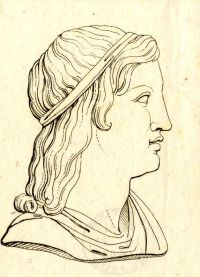
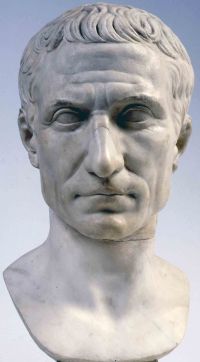
Tacitus
Biographical details
Cornelius Tacitus, a Roman historian and politician, is renowned for his incisive examination of power, corruption, and the moral decline of imperial Rome. His major works, including The Annals and The Histories, document the empire’s turbulent period through detailed accounts of political conflict and personal ambition. In The Life and Death of Julius Agricola, he highlights themes of duty and sacrifice, while The Histories analyze the chaos of civil war with stark realism.
Tacitus’s prose, distinguished by rhetorical clarity and psychological insight, remains a cornerstone of classical literature, offering lasting reflections on the relationship between authority and human vulnerability. His influence persists through the continued significance of his critiques, resonating in the writings of contemporaries such as Suetonius and Julius Caesar.
Quotes by Tacitus
Tacitus, The Histories — Book 4 (1876)
“ You, Treveri, and other enslaved creatures, what reward do you expect for the blood which you have shed so often? What but a hateful service, perpetual tribute, the rod, the axe, and the passions of a ruling race? See how I, the prefect of a single cohort, with the Batavians and the Canninefates, a mere fraction of Gaul, have destroyed their vast but useless camps, or are pressing them with the close blockade of famine and the sword. In a word, either freedom will follow on our efforts, or, if we are vanquished, we shall but be what we were before. ”
Tacitus, The Life and Death of Julius Agricola (1876)
“ For as it is a great and glorious achievement, if we press on, to have accomplished so great a march, to have traversed forests and to have crossed estuaries, so, if we retire, our present most complete success will prove our greatest danger. We have not the same knowledge of the country or the same abundance of supplies, but we have arms in our hands, and in them we have everything. For myself I have long been convinced that neither for an army nor for a general is retreat safe. Better, too, is an honourable death than a life of shame, and safety and renown are for us to be found together. ”