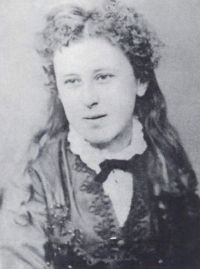
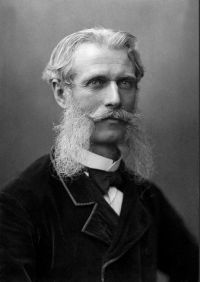
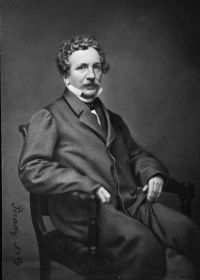
Relaxation, described as an emotional state marked by low tension and the absence of negative stimulation, has been examined by various scholars through psychological, philosophical, and practical viewpoints. Yogi Ramacharaka associated it with vitality and the preservation of prana, whereas Zona Gale viewed it as a transitional phase rather than a final objective.
Edward Berens linked relaxation to mental rest, highlighting its function in rejuvenating the mind. These viewpoints, along with traditional methods such as Jacobson’s progressive relaxation and Benson’s meditation-based techniques, emphasize relaxation’s dual nature—as both a physical process and a philosophical quest for equilibrium—crucial for reducing stress and promoting comprehensive well-being.
 Zona Gale,
Friendship Village Love Stories
Zona Gale,
Friendship Village Love Stories