Cilicia

Definition and stakes

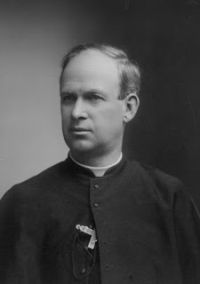
Portrait of J. A. Zahm J. A. Zahm,  From Berlin to Bagdad and Babylon (1922)

“ The old capital of Cilicia is, of truth, a city of a wonderful historic past. But among all her proud memories those which have made her best known throughout the ages and which will endure the longest are not those of her abounding wealth and luxury, her superb monuments and palaces and temples, long in ruins; not those that clustered around her poets and philosophers and made her a favored sanctuary of the Muses; not those of her schools and gymnasia and her one-time eminence as the rival of Athens and Alexandria as the home of learning and culture ”
Source: Gutenberg

Portrait of J. A. Zahm J. A. Zahm,  From Berlin to Bagdad and Babylon (1922)

“ During the zenith of its glory, Cilicia was one of the most densely populated countries in the world. But it has long since so fallen from its high estate that, like the lands of the Nile and the Euphrates, it is a region of ruins. So great indeed have been the ravages of time and warring mortals that “ruins of cities, evidently of an age after Alexander, yet barely named in history, at this day, astonish the adventurous traveler by their magnificence and elegance.” ”
Source: Gutenberg

1911 Encyclopædia Britannica, Volume 6… (1911)

“ By the last pass, which was apparently unknown to Alexander, Darius crossed the mountains prior to the battle of Issus. Both passes are short and easy, and connect Cilicia Pedias geographically and politically with Syria rather than with Asia Minor. Another important road connected Sision with Cocysus and Melitene. In Roman times Cilicia exported the goats’-hair cloth, Cilicium, of which tents were made.
The Cilicians appear as Khilikku in Assyrian inscriptions, and in the early part of the first millennium B.C. were one of the four chief powers of western Asia.
”
Source: Wikisource

Get perspective with Kwize: daily news enlightened by great literature