Summary

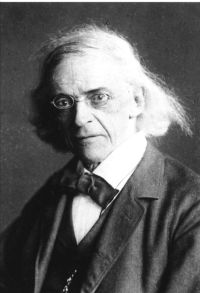
Portrait of Theodor Mommsen Theodor Mommsen The History of Rome, Book V

We have reached the end of the Roman republic. We have seen it rule for five hundred years in Italy and in the countries on the Mediterranean; we have seen it brought to ruin in politics and morals, religion and literature, not through outward violence but through inward decay, and thereby making room for the new monarchy of Caesar. There was in the world, as Caesar found it, much of the noble heritage of past centuries and an infinite abundance of pomp and glory, but little spirit, still less taste, and least of all true delight in life.
Source: Gutenberg

Portrait of Theodor Mommsen Theodor Mommsen The History of Rome, Book V

To complete the sketch of the relations of Rome to the peoples of the north at this period, it remains that we cast a glance at the countries which stretch to the north of the Italian and Greek peninsulas, from the sources of the Rhine to the Black Sea. It is true that the torch of history does not illumine the mighty stir and turmoil of peoples which probably prevailed at that time there, and the solitary gleams of light that fall on this region are, like a faint glimmer amidst deep darkness, more fitted to bewilder than to enlighten.
Source: Gutenberg

Portrait of Theodor Mommsen Theodor Mommsen The History of Rome, Book V

That such a man, so disposed and so situated, could not strive after humble aims is clear; and, in a very different way from Pompeius, Crassus knew exactly like a banker the objects and the means of political speculation. From the origin of Rome capital was a political power there; the age was of such a sort, that everything seemed accessible to gold as to iron. If in the time of revolution a capitalist aristocracy might have thought of overthrowing the oligarchy of the gentes, a man like Crassus might raise his eyes higher than to the -fasces- and embroidered mantle of the triumphators.
Source: Gutenberg

Get perspective with Kwize: daily news enlightened by great literature