Summary

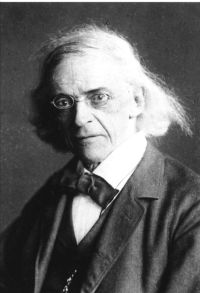
Portrait of Theodor Mommsen Theodor Mommsen The History of Rome, Book III

Rome began to become the capital of the Mediterranean states, and Italy to become the suburbs of Rome; the Romans had no wish to be anything more, and in their opulent indifference contented themselves with a passive commerce, such as every city which is nothing more than a capital necessarily carries on—they possessed, forsooth, money enough to pay for everything which they needed or did not need. On the other hand the most unproductive of all sorts of business, the traffic in money and the farming of the revenue, formed the true mainstay and stronghold of the Roman economy.
Source: Gutenberg

Portrait of Theodor Mommsen Theodor Mommsen The History of Rome, Book III

Rome was, what Greece was not, a state; and the mighty consciousness of this truth lay at the root both of the bold attempt which Naevius made to attain by means of history a Roman epos and a Roman drama, and of the creation of Latin prose by Cato. It is true that the endeavour to replace the gods and heroes of legend by the kings and consuls of Rome resembles the attempt of the giants to storm heaven by means of mountains piled one above another: without a world of gods there is no ancient epos and no ancient drama, and poetry knows no substitutes.
Source: Gutenberg

Portrait of Theodor Mommsen Theodor Mommsen The History of Rome, Book III

The son, who went to avenge the death of a father whose life he had saved nine years before on the Ticinus; the young man of manly beauty and long locks, who with modest blushes offered himself in the absence of a better for the post of danger; the mere military tribune, whom the votes of the centuries now raised at once to the roll of the highest magistracies—all this made a wonderful and indelible impression on the citizens and farmers of Rome. And in truth Publius Scipio was one, who was himself enthusiastic, and who inspired enthusiasm.
Source: Gutenberg

Get perspective with Kwize: daily news enlightened by great literature