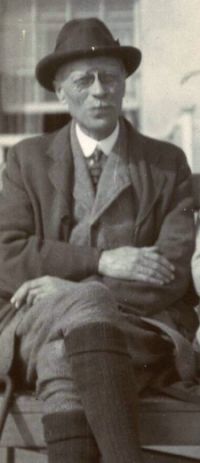
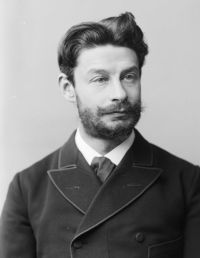
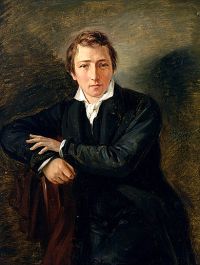
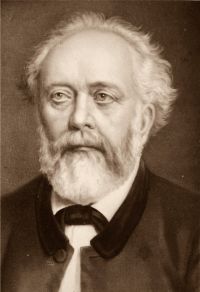
Gotthold Ephraim Lessing (1729–1781), a German Enlightenment philosopher, dramatist, and critic, profoundly influenced German literature through his theoretical writings and plays. His work Hamburg Dramaturgy introduced the term "dramaturgy," highlighting theatre's role in cultural and intellectual life. Authors like Heinrich Heine regarded him as Germany’s foremost figure after Luther, while John George Robertson emphasized his significance as Europe’s first influential German critic.
Lessing’s Nathan the Wise examined religious tolerance through parables, and his Laocoön outlined art's limits, promoting poetry’s emphasis on action rather than static imagery. His critiques of neoclassicism and advocacy for Shakespearean drama spurred the Sturm und Drang movement, establishing him as a link between Enlightenment rationalism and German literary identity. Lessing’s legacy resides in his integration of aesthetic theory, moral philosophy, and dramatic innovation, securing his place as a foundational figure in modern German thought.
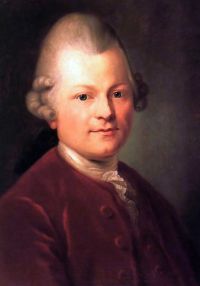 Gotthold Ephraim Lessing,
Nathan the Wise; a dramatic poem in five acts
Gotthold Ephraim Lessing,
Nathan the Wise; a dramatic poem in five acts