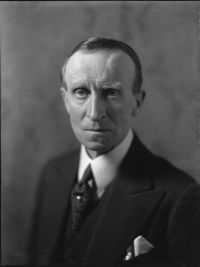
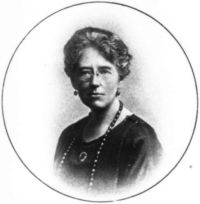
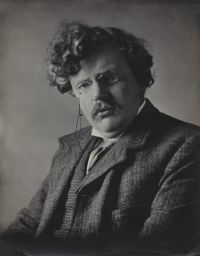
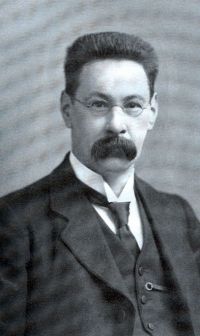
The name Saladin, a male given name of historical and literary significance, has been invoked across various narratives to represent both human complexity and noble ideals. From Emma Leslie’s depiction of a cunning observer trained by a priest to the anonymous tribute portraying him as a "perfect knight" of the Mohammedans, the name evokes figures ranging from astute strategists to exemplars of chivalry.
Authors like William De Morgan and Janet Harvey Kelman portray Saladin as a symbolic figure—whether a silent, reflective steed or a leader who ascends from youth to power. These diverse portrayals highlight the name’s versatility, reflecting both historical admiration and literary creativity. The lasting legacy of Saladin, as woven through these texts, lies in his embodiment of duality: a figure who navigates the realms of duty, glory, and human vulnerability with equal measure.