Summary

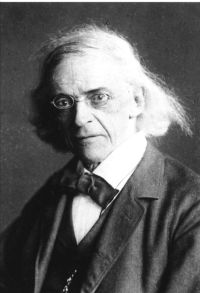
Portrait of Theodor Mommsen Theodor Mommsen The History of Rome, Book IV

The sun of freedom with all its endless store of blessings was constantly drawing nearer to its setting, and the twilight was settling over the very world that was still so brilliant. It was no accidental catastrophe which patriotism and genius might have warded off; it was ancient social evils—at the bottom of all, the ruin of the middle class by the slave proletariate—that brought destruction on the Roman commonwealth. The most sagacious statesman was in the plight of the physician to whom it is equally painful to prolong or to abridge the agony of his patient.
Source: Gutenberg

Portrait of Theodor Mommsen Theodor Mommsen The History of Rome, Book IV

Viriathus, now recognized as lord and king of all the Lusitanians, knew how to combine the full dignity of his princely position with the homely habits of a shepherd. No badge distinguished him from the common soldier: he rose from the richly adorned marriage- table of his father-in-law, the prince Astolpa in Roman Spain, without having touched the golden plate and the sumptuous fare, lifted his bride on horseback, and rode back with her to his mountains. He never took more of the spoil than the share which he allotted to each of his comrades.
Source: Gutenberg

Portrait of Theodor Mommsen Theodor Mommsen The History of Rome, Book IV

While the aristocracy had formerly governed for good or ill, and for more than a century without any sensible opposition, the crisis which it had now passed through revealed to it, like a flash of lightning in a dark night, the abyss which yawned before its feet. Was it any wonder that henceforward rancour always, and terror wherever they durst, characterized the government of the lords of the old nobility? that those who governed confronted as an united and compact party, with far more sternness and violence than hitherto, the non- governing multitude?
Source: Gutenberg

Get perspective with Kwize: daily news enlightened by great literature