Summary

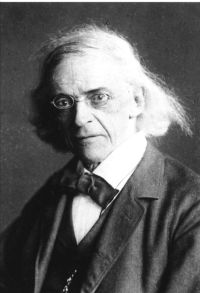
Portrait of Theodor Mommsen Theodor Mommsen The History of Rome, Book II

But the individuals, who contributed the several stones to this gigantic structure and cemented them together, have disappeared without leaving a trace, and the nations of Italy did not merge into that of Rome more completely than the single Roman burgess merged in the Roman community. As the grave closes alike over all whether important or insignificant, so in the roll of the Roman burgomasters the empty scion of nobility stands undistinguishable by the side of the great statesman.
Source: Gutenberg

Portrait of Theodor Mommsen Theodor Mommsen The History of Rome, Book II

But the Samnites—the Aetolians of Italy, in whom national vigour still lived unimpaired—had mainly to rely on their own energies for such perseverance in the unequal struggle as would give the other peoples time for a generous sense of shame, for calm deliberation, and for the mustering of their forces; a single success might then kindle the flames of war and insurrection all around Rome. History cannot but do the noble people the justice of acknowledging that they understood and performed their duty.
Source: Gutenberg

Portrait of Theodor Mommsen Theodor Mommsen The History of Rome, Book II

In the Roman commonwealth there was no special dependence on any one man, either on soldier or on general, and under the rigid discipline of its moral police all the idiosyncrasies of human character were extinguished. Rome reached a greatness such as no other state of antiquity attained; but she dearly purchased her greatness at the sacrifice of the graceful variety, of the easy abandon and of the inward freedom of Hellenic life.
Source: Gutenberg

Get perspective with Kwize: daily news enlightened by great literature