Tarentum

Definition and stakes

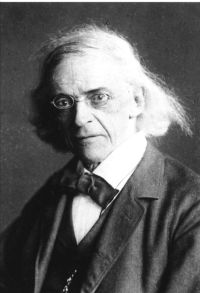
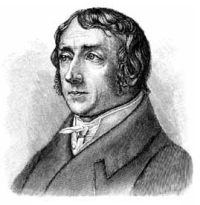
Portrait of Barthold Georg Niebuhr Barthold Georg Niebuhr,  Niebuhr's lectures on Roman history… (1875)

“ Nature has given everything in plenty to the country of Tarentum. Probably the sea is nowhere in Europe so rich in shell and other fish, as in the bay of Tarentum: the poor Tarentine in his idleness is indeed as happy as a prince; he lives only on bread, salt, and olives, which he can always easily procure. Tarentum had no large tracts of land belonging to it, in which there was room for tillage. ”
Source: Gutenberg

Portrait of George Park Fisher George Park Fisher,  Outlines of Universal History, Designed as a Text-book and for Private Reading

“ The Romans were already masters of Central Italy. Only the Greek cities on the south remained for them to conquer. It was high time for Tarentum to bestir itself. It was from the side of Tarentum that the immediate provocation came. The Tarentines were listening to a play in the theater as ten Roman ships came into the harbor. Under a sudden impulse of wrath, a mob attacked them, and destroyed five of them. Even then the Romans were in no haste to engage in hostilities. The Tarentines themselves were divided as to the policy best to be pursued. But the war-party had the more voices. ”
Source: Gutenberg

Portrait of George Gissing George Gissing,  By the Ionian Sea: Notes of a Ramble in Southern Italy

“ When Hannibal, beset by the Romans, drew his ships across the peninsula and so escaped from the inner sea, fishermen of Tarentum went forth as ever, seeking their daily food. A thousand years passed, and the fury of the Saracens, when it had laid the city low, spared some humble Tarentine and the net by which he lived. To-day the fisher-folk form a colony apart; they speak a dialect which retains many Greek words unknown to the rest of the population. ”
Source: Gutenberg

Get perspective with Kwize: daily news enlightened by great literature