Plebeians

Definition and stakes

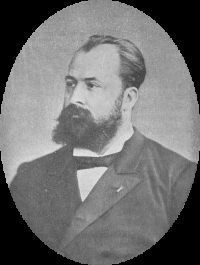
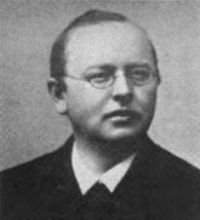
Portrait of Charles Seignobos Charles Seignobos,  History of Ancient Civilization

“ Strife between Patricians and Plebeians.—The people and the plebs were like two distinct peoples, one of masters, the other of subjects. And yet the plebeians were much like the patricians. Soldiers, like them, they served in the army at their own cost and suffered death in the service of the Roman people; peasants like them, they lived on their domains. Many of the plebeians were rich and of ancient family. The only difference was that they were descended from a great family of some conquered Latin city, while the patricians were the scions of an old family in the conquering city. ”
Source: Gutenberg

Giuseppe Garibaldi,  Rule of the Monk; Or, Rome in the Nineteenth Century

“ Well! in the name of heaven what is a plebeian? When God created man did he make patricians and plebeians? Does not the power that awes the vulgar come from tyrants and despots?"
"Ah! if that beautiful young creature should prove an impure, a nameless one!"
"Oh, blasphemer of love, cease your profanity! How could a guilty woman's face show such pure transcendent loveliness!"
Annita was a plebeian. The entrance to her dwelling showed that. There stood no columned porch where the gondola drew up before a simple door-step.
”
Source: Gutenberg

Baron Edward Bulwer Lytton Lytton,  Rienzi, the Last of the Roman Tribunes

“ If there be a vile thing in the world, it is a plebeian, advanced by patricians, not for the purpose of righting his own order, but for playing the pander to the worst interests of theirs. He who is of the people but makes himself a traitor to his birth, if he furnishes the excuse for these tyrant hypocrites to lift up their hands and cry—‘See what liberty exists in Rome, when we, the patricians, thus elevate a plebeian!’ Did they ever elevate a plebeian if he sympathized with plebeians? ”
Source: Gutenberg

Get perspective with Kwize: daily news enlightened by great literature