Patrician

Definition and stakes

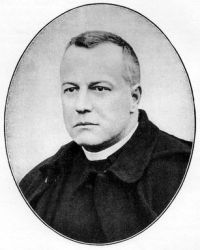
Portrait of William Smith William Smith,  A Smaller Dictionary of Greek and Roman Antiquities

“ All civil and religious offices were in their possession, and they continued as before to be the populus, the nation now consisting of the populus and the plebes. In their relation to the plebeians or the commonalty, the patricians were a real aristocracy of birth. A person born of a patrician family was and remained a patrician, whether he was rich or poor, whether he was a member of the senate, or an eques, or held any of the great offices of the state, or not: there was no power that could make a patrician a plebeian. ”

Source: Gutenberg

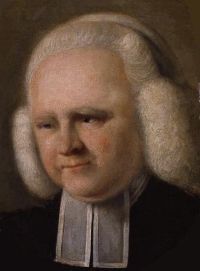
Portrait of Thomas Davidson Thomas Davidson,  Chambers's Twentieth Century Dictionary 1908… (1908)

“ Patrician, pa-trish′an, n. a nobleman in ancient Rome, being a descendant of one of the fathers or first Roman senators: a nobleman.—adj. pertaining to the ancient senators of Rome or to their descendants: of noble birth.—n. Patric′iate, the position or duties of a patrician: the patrician order. [L. patricius—pater, patris, a father.]
Patricide, pat′ri-sīd, n. the murder or the murderer of one's own father.—adj. Pat′ricīdal, relating to patricide or the murder of a father. [L. patricida—pater, patris, father, cædĕre, to kill.]
”
Source: Wikisource

Portrait of Plutarch Plutarch,  Plutarch's Lives, Volume 4 (of 4…

“ The name patricians still existed after the term nobilis was introduced: a noble might be either a patrician or a plebeian, but the distinction was well understood between an old patrician family and a plebeian family, however distinguished the plebeian family might become. Under the Emperors it was not uncommon for them to promote a man to the rank of patrician for eminent services, which under the monarchy was equivalent to the conferring of a title of dignity in modern times, and nothing more. ”
Source: Gutenberg

Get perspective with Kwize: daily news enlightened by great literature