Summary

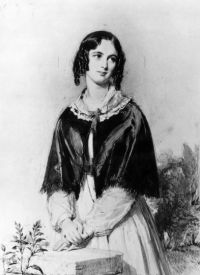
Portrait of Charlotte M. Yonge Charlotte M. Yonge The Chosen People: A Compendium of Sacred and Church History for School-Children

Each token of perfection, each saying too pure for them, each undoubted miracle, only made them more furious, and for once they made common cause together. The Passover came. Herod Antipas came to Jerusalem to observe the feast, Pilate to keep the peace among the Jews; and Jerusalem saw her King coming, meek, and riding on an ass, and amid the Hosannas of the children, weeping at the vengeance that He foresaw for the favoured city where He had been despised and rejected, and where He was Himself about to become the true Passover, which should purchase everlasting Redemption.
Source: Gutenberg

Portrait of Charlotte M. Yonge Charlotte M. Yonge The Chosen People: A Compendium of Sacred and Church History for School-Children

There were Christians everywhere, in every town of every province, nobles, soldiers, women, slaves, rich and poor; all feeling themselves members of one body, all with the same faith, the same prayers and Sacraments. All day they did their daily tasks, only refusing to show any honour to idols, such as pouring out wine to the gods before partaking of food, or paying adoration to the figures of the Cæsars, which were carried with the eagle standards of the army; and so close was the brotherhood between them, that the heathen used to say, "See how these Christians love one another!"
Source: Gutenberg

Portrait of Charlotte M. Yonge Charlotte M. Yonge The Chosen People: A Compendium of Sacred and Church History for School-Children

It was about this time that the Emperor Claudius came to Britain, and his generals won all the southern part of the island, rooting out the cruel worship of the Druids in their groves of oak, and circles of huge stones. He died in the year 55, and was succeeded by his step-son, Nero, a half-mad tyrant, who used to show off like a gladiator; racing in a chariot before all the Romans at the games, collecting them all to listen to his verses, and putting those to death who showed their weariness.
Source: Gutenberg

Get perspective with Kwize: daily news enlightened by great literature