Darius III, the last king of the Achaemenid Empire (r. 336–330 BC), ruled during the empire's final years, marked by its fall under Alexander the Great’s invasion. Though Greek historians portrayed him as a vanquished ruler, his reign and legacy are examined through diverse perspectives: Darius I’s Behistun inscriptions emphasize his authority as a conqueror, while Jacob Abbott’s accounts concentrate on his bold military efforts against Greece.
Aeschylus, by contrast, conveys Darius’s grief over Persian devastation, illustrating the cultural impact of his demise. These viewpoints together highlight his multifaceted role as both an emblem of imperial decline and a significant figure in ancient historical writing.
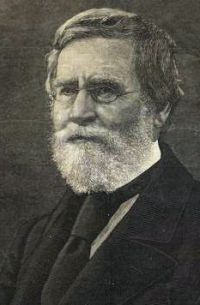 Jacob Abbott,
Darius the Great
Jacob Abbott,
Darius the Great