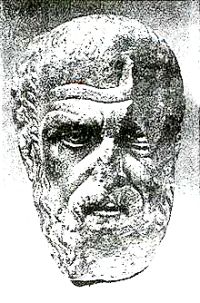
Sardis, an ancient city and former capital of Lydia, holds a multifaceted presence in literature and history, often symbolizing both imperial splendor and spiritual decay. From Alexander Whyte’s reverent reflection on its eschatological significance to R. Walsh’s somber portrayal of its desolate ruins, authors have examined its legacy as a site of moral and historical importance.
Nathaniel Parker Willis evokes its grand landscape, while C.H. Spurgeon highlights its biblical warnings, connecting it to Christian endurance. These diverse viewpoints converge on Sardis as a symbol of human accomplishment and the impermanence of power, its resonance echoing through theological, historical, and literary discussion.
 Alexander Whyte,
Bunyan Characters (3rd Series)
Alexander Whyte,
Bunyan Characters (3rd Series)