Dissolution, the process by which a solute becomes incorporated into a solvent to form a uniform solution, depends on intermolecular interactions such as hydrogen bonding, ion-dipole forces, and van der Waals attractions. Scientifically, this involves solvation—the rearrangement of solvent and solute molecules—guided by thermodynamic factors like Gibbs energy and entropy.
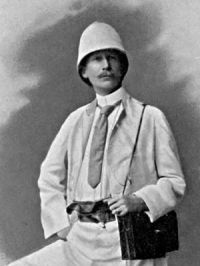
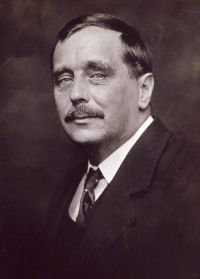
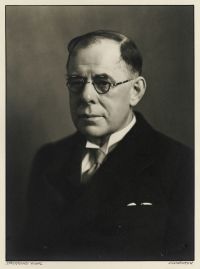
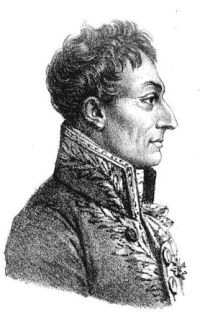
Authors such as Horace Mann associated dissolution with political instability, while George Chetwynd Griffith saw societal breakdown through anarchy. H.G. Wells linked it to economic decline, and Plato described it as a structural weakness in states. These viewpoints, combined with scientific insights, show dissolution as a dynamic interaction of forces that both divide and reshape systems, whether at the molecular or societal level.
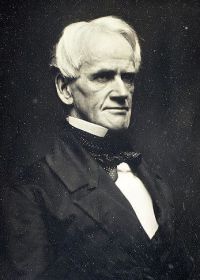 Horace Mann,
Slavery: letters and speeches
(1851)
Horace Mann,
Slavery: letters and speeches
(1851)