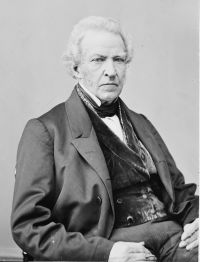
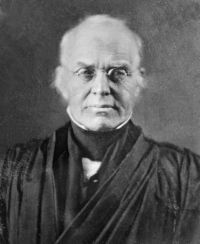
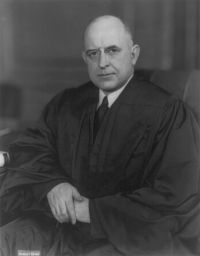
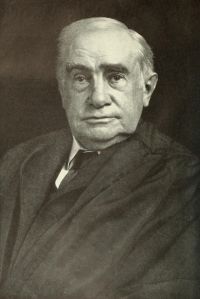
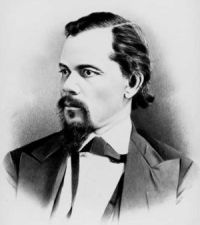
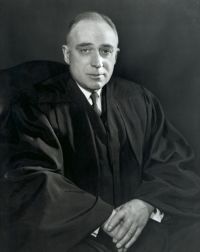
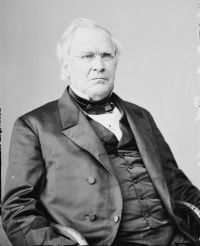
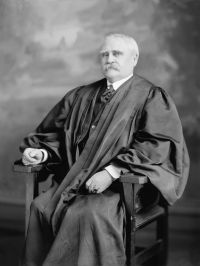
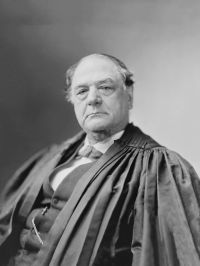
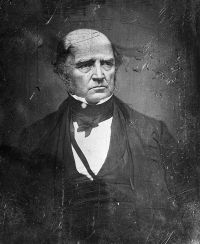
Fraud, defined as deliberate deception for unlawful profit or harm, extends across civil and criminal law, including identity theft, mortgage deception, and digital scams. Legal scholars and judges, such as Daniel Webster, who criticized fraud as a "double wrong" on society, and Richard Currier, who described it as misleading representation prompting action, have analyzed its components—falsehood, intent, dependence, and harm.
Joseph Story differentiated "fraud in fact" from legal deception, while James Moore Wayne associated it with the invalidation of transactions. These viewpoints highlight fraud’s dual nature: a legal offense and a societal danger, constantly evolving to take new forms yet grounded in enduring principles of dishonesty and consequence.
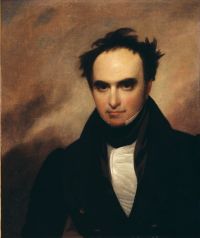 Daniel Webster,
The Great Speeches and Orations of Daniel Webster
Daniel Webster,
The Great Speeches and Orations of Daniel Webster