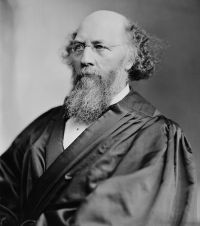
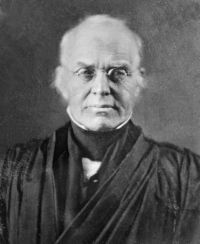
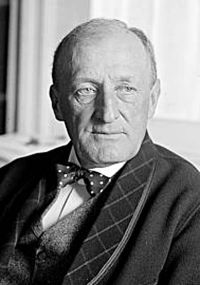
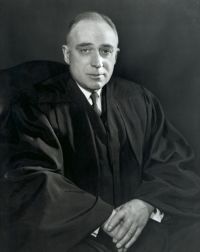
Indictment, a formal legal charge issued by a grand jury, serves as the foundational step in criminal proceedings, officially alleging a crime to be tried in court. Authors such as Henry M. Hunt highlighted its function as a procedural mechanism rather than evidence of guilt, maintaining that defendants must be considered innocent until proven otherwise.
Edward Douglass White emphasized the importance of clearly stating criminal intent within indictments, while Robert Green Ingersoll examined the need for precision to ensure charges correspond with statutory definitions. Legal scholars and jurists, including Oliver Wendell Holmes, Jr., analyzed its impact on due process, underscoring the need for clarity to support a proper defense. The concept thus combines procedural thoroughness with the ethical duty to uphold justice, demonstrating its significance in ensuring fair trials and legal responsibility.