Summary

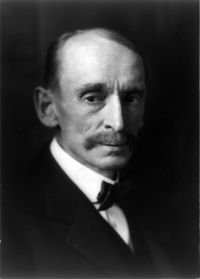
Portrait of William R. Day William R. Day Bartell v. United States — Opinion of the Court

It is elementary that an indictment, in order to be good under the Federal Constitution and laws, shall advise the accused of the nature and cause of the accusation against him, in order that he may meet the accusation and prepare for his trial, and that, after judgment, he may be able to plead the record and judgment in bar of further prosecution for the same offense.
Source: Wikisource

Portrait of William R. Day William R. Day Bartell v. United States — Opinion of the Court

The plaintiff in error appeared and demurred to this indictment for the reasons following:
'I. That the facts stated in said indictment are not sufficient to and do not constitute a crime.
'II. That no facts are stated sufficient to notify this defendant of the nature and cause of the accusation for which he is now placed on trial, as required by article 6 of the Amendments to the Constitution of the United States.'
The court overruled the demurrer.
Source: Wikisource

Portrait of William R. Day William R. Day Bartell v. United States — Opinion of the Court

While it is true that ordinarily a document or writing essential to the charge of crime must be sufficiently described to make known its contents or the substance thereof, there is a well-recognized exception in the pleading of printed or written matter which is alleged to be too obscene or indecent to be spread upon the records of the court.
Source: Wikisource

Get perspective with Kwize: daily news enlightened by great literature