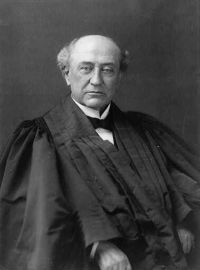
William Feilden Craies

Biographical details

William Feilden Craies 1911 Encyclopædia Britannica (1911)

RECOGNIZANCE (from Lat. recognoscere, to acknowledge) , a term of English law usually employed to describe an obligation of record, entered into before some court or magistrate duly authorized, whereby the party bound acknowledges (recognizes) that he owes a personal debt to the Crown, with a defeasance, i.e. subject to a condition that the obligation to pay shall be avoided if he shall do some particular act—as if he shall appear at the assizes, keep the peace, or the like.
Source: Wikisource

William Feilden Craies 1911 Encyclopædia Britannica (1911)

While it is true that almost all crimes which in the middle ages were considered heinous fall into the categories of treason or felony, many statutory misdemeanours differ so little, if at all, from felony in character or in the mode of punishment that, in the absence of a code, no logical line of division can now be drawn, inasmuch as few felonies are now capital and none involve the forfeitures of land or goods, which at one time afforded an appreciable distinction between the two categories of crime.
Source: Wikisource

William Feilden Craies 1911 Encyclopædia Britannica, Volume 11… (1911)

In the nature of things the right to take wild animals is valuable as to deer and the animals usually described as game, and not as to those which are merely noxious as vermin, or simply valueless, as small birds. Upon the rules of the common law there has been grafted much legislation which up till the end of the 18th century was framed for the preservation of deer and game for the recreation and amusement of persons of fortune, and to prevent persons of inferior rank from squandering in the pursuit of game time which their station in life required to be more profitably employed.
Source: Wikisource

Get perspective with Kwize: daily news enlightened by great literature