Regulation refers to the implementation of rules to govern human systems, encompassing legal structures, economic strategies, and social guidelines. From governmental supervision of trade to industry-led self-governance, it influences conduct through directives, rewards, or benchmarks. Legal experts such as Joseph Story discussed its importance in commerce, while Alexander Hamilton associated it with legislative power.
Peter Kropotkin criticized laws as instruments of control, and Boris Sidis emphasized societal alignment. Regulation, whether mandated by the state or initiated internally, maintains a balance between structure and independence, illustrating varied objectives ranging from public welfare to economic performance. Its shifting function highlights the conflicts between authority and personal liberty.
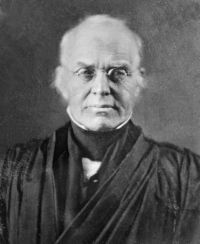 Joseph Story,
Commentaries on the Constitution of the United States
(1833)
Joseph Story,
Commentaries on the Constitution of the United States
(1833)