Summary

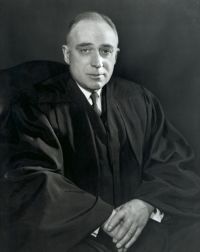
Portrait of John Marshall Harlan II John Marshall Harlan II Securities and Exchange Commission v…

In effect the Court of Appeals simply held that the terms of the statute require, at least, some proof that an investment adviser's recommendations are not disinterested.
I think it clear that what was shown here would not make out a case of fraud or breach of fiduciary relationship under the most expansive concepts of common law or equitable principles. The nondisclosed facts indicate no more than that the respondents personally profited from the foreseeable reaction to sound and impartial investment advice.
Source: Wikisource

Portrait of John Marshall Harlan II John Marshall Harlan II Securities and Exchange Commission v…

Saying the least, it strains credulity that a provision expressly proscribing material omissions would be thought by Congress to be 'surplusage' when it came to enacting the 1940 Act. This is particularly so when it is remembered that violation of the fraud and deceit section is punishable criminally (§ 217 of the Investment Advisers Act of 1940, 54 Stat. 857) ; Congress must have known that the courts do not favor expansive constructions of criminal statutes.
Source: Wikisource

Get perspective with Kwize: daily news enlightened by great literature