Summary

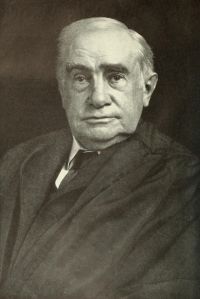
Portrait of Henry Billings Brown Henry Billings Brown Bates v. Preble — Opinion of the Court

It assumes that the same evidence which tended to show a conspiracy between Edward Preble and the defendants to obtain these bonds was also evidence of an intention on defendants' part to keep a knowledge of the transaction from the plaintiff. This, however, does not necessarily follow. If it did, the result would be that whenever a party has been guilty of a fraud, which it is for his interest should not be known by the person upon whom it is committed, he would practically lose the benefit of the statute, though he may not have made the slightest effort to keep it secret.
Source: Wikisource

Portrait of Henry Billings Brown Henry Billings Brown Bates v. Preble — Opinion of the Court

As the writ by which the action was begun was dated January 25, 1887, the action would appear to have been barred by the statute, unless the evidence was such as to justify the jury in finding that there had been a fraudulent concealment of the embezzlement from the knowledge of the plaintiff. If the statute had simply provided that the six years should run from the discovery of the fraud, there could be no doubt of the right of the plaintiff to maintain this action, as there is no evidence that she discovered the fraud prior to her examination of the contents of her box in 1882.
Source: Wikisource

Get perspective with Kwize: daily news enlightened by great literature