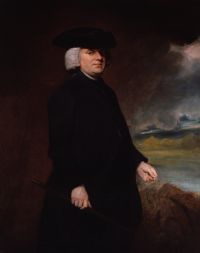
Credibility, understood as the quality of being trusted in legal or social settings, has been a central concern for philosophers and authors investigating truth, testimony, and belief. Writers like Sir Walter Scott examined its boundaries in the swift dissemination of rumors, while William Paley highlighted fundamental truth as the foundation of religious trustworthiness.
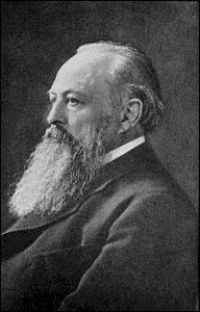
John Henry Newman questioned whether plausible evidence was enough to support faith, and Frederick Scott Oliver connected political achievement to truthful advocacy. These diverse viewpoints highlight credibility's significance as a key element of both legal and ethical reasoning, influenced by proof, situation, and human evaluation.
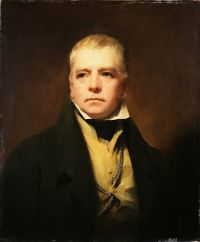 Sir Walter Scott,
Tales of My Landlord
(1816)
Sir Walter Scott,
Tales of My Landlord
(1816)