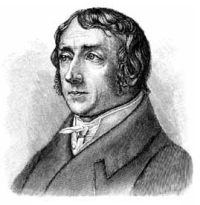
Tiberius Sempronius Gracchus (c. 163–133 BC) was a Roman politician renowned for his agrarian reform law, which aimed to reallocate land from the state and affluent elites to the less fortunate citizens. Serving as a tribune of the plebs in 133 BC, he encountered strong opposition from the Senate and his colleague Octavius, whose veto he bypassed by rallying public support. His reforms, though brief, highlighted the growing conflict between the aristocracy and the plebeian class, mirroring larger issues in Roman land distribution and military conscription.
Historians such as Plutarch emphasize his political boldness, while Tenney Frank underscores his role in undermining Rome’s conventional governance. Greenidge points out his diplomatic skill and the resistance from the nobility, while Lewis focuses on the violent consequences following his death. Tiberius’ legacy, connected to his brother Gaius’ initiatives, represents a crucial turning point in the Republic’s decline, as his attempts to achieve social fairness and political equilibrium ultimately triggered civil unrest.
 Tenney Frank,
Life and literature in the Roman republic
(1930)
Tenney Frank,
Life and literature in the Roman republic
(1930)