“ By heaven, our pates the jingling cap befits! We are the clowns; the country louts, the wits. Bruno. Here comes knave Scipio, the Prince's friend, Stuck like a wild-flower in his love-lock's shade, Replacing us, poor withered hothouse blooms. We'll dust his livery with wordy strokes, And in his own outspoken chaff deride him.Enter Scipio. Felice. By Jove, we will!—Come hither, Scipio. Master of wit, lord of a cabbage-bed, Knight of the cudgel, toady, knave, and clown, Beseech your mightiness to signify To us, your humble servants, what's o'clock? Scipio. ”
Scipio
Definition and stakes
Scipio, a name resonating through Roman history and literature, primarily refers to the celebrated general Scipio Africanus, famed for his victory over Hannibal. Authors have long examined his legacy, portraying him as a strategic mastermind, a committed statesman, and a multifaceted individual shaped by human emotions. Charlotte M. Yonge emphasizes his diplomatic achievements and ethical restraint, while Velleius Paterculus focuses on his intellectual endeavors and support for scholars such as Polybius.
In literary works, Scipio emerges as a tragic lover, a composed leader, or an emblem of Roman virtue, as depicted in Haggard’s dramatic interactions and theatrical dialogues. These diverse portrayals highlight his lasting significance as both a historical model and a literary symbol, connecting military excellence with human vulnerability.
Quotes about “Scipio”
 Charlotte M. Yonge,
Young Folks' History of Rome
Charlotte M. Yonge,
Young Folks' History of Rome
“ Scipio remained in Africa till he had arranged matters and won such a claim to Massinissa's gratitude that this king of Numidia was sure to watch over the interests of Rome. Scipio then returned home, and entered Rome with a grand triumph, all the nobler for himself that he did not lead Hannibal in his chains. He had been too generous to demand that so brave an enemy should be delivered up to him. He received the surname of Africanus, and was one of the most respected and beloved of Romans. ”
 Velleius Paterculus,
Compendium of the History of Rome…
(1852)
Velleius Paterculus,
Compendium of the History of Rome…
(1852)
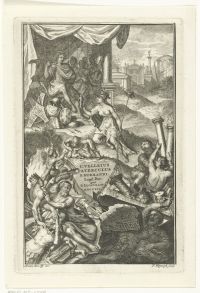
“ Scipio was so elegant a cultivator and admirer of liberal studies, and of every kind of learning, that he had constantly with him, at home and in the field, two men of eminent talents, Polybius and Panætius; for no man balanced the fatigues of business with the enjoyments of leisure more judiciously than Scipio, as he was constantly studying the arts either of war or of peace, and constantly exercising either his body in toil or his mind in learning. ”