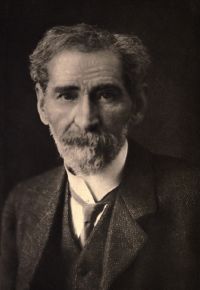
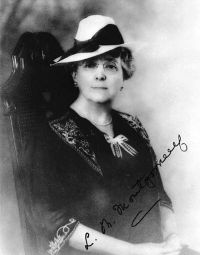
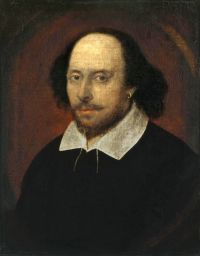
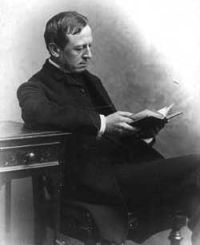
The concept of "finish" encompasses both the act of concluding a task and the state of completion, often imbued with philosophical or artistic significance. Authors such as Oscar Wilde examined it through the lens of art, arguing that a completed work should erase all traces of its creation, while Ralph Waldo Emerson linked it to living fully in each moment.
Ernest Hemingway emphasized its practical urgency, asserting that unfinished efforts lack value, and William Henry Hudson depicted its narrative weight, where unresolved stories cast long shadows. From technical precision to existential reflection, "finish" emerges as a multifaceted threshold between effort and resolution, as revealed by these diverse literary explorations.
 Sax Rohmer,
Brood of the Witch Queen — CHAPTER XV.
(1918)
Sax Rohmer,
Brood of the Witch Queen — CHAPTER XV.
(1918)