Summary

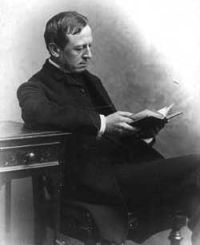
Portrait of William Reed Huntington William Reed Huntington A Short History of the Book of Common Prayer

We cannot escape being sentimental simply by being dull. Feeling must not be denied its place in prayer for fear that it may not prove itself a duly chastened feeling. There ought to be a heart of fire underneath the calm surface of every formulary of worship. Flame and smoke are out of place; but a liturgy should glow throughout. Coldness, pure and simple, has no place in devotion.
Over and above the intrinsic difficulties in the way of revision growing out of the delicate nature of the work itself, obstacles of a different sort are certain to be encountered.
Source: Gutenberg

Portrait of William Reed Huntington William Reed Huntington A Short History of the Book of Common Prayer

As there were heroes before Agamemnon, so were there holy and humble men of heart before Cranmer and Luther, yes, and before Jerome and Augustine. If any cry that ever went up from any one of them out of the depths of that nature which they share with us and we with them, if any breath of supplication, any moan of penitence, any shout of victory that issued from their lips has made out to survive the noise and tumult of intervening times, it has earned by its very persistency of tone a prima facie title to be put into the Prayer Book of to-day.
Source: Gutenberg

Portrait of William Reed Huntington William Reed Huntington A Short History of the Book of Common Prayer

For grace to speak the Truth in love.—O Lord and Saviour Jesus Christ, who earnest not to strive nor cry, but to let thy words fall as the drops that water the earth: grant all who contend for the faith once delivered, never to injure it by clamor and impatience, but speaking thy precious truth in love, so to present it that it may be loved, and that men may see in it thy goodness and thy beauty: who livest and reignest with the Father and the Holy Ghost, one God, world without end.
Source: Gutenberg

Get perspective with Kwize: daily news enlightened by great literature