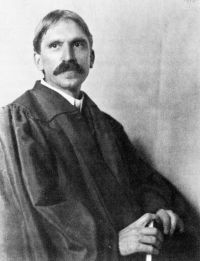
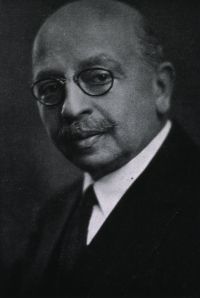
Revision, defined as an altered version of a story, embodies the dynamic process of reinterpreting narratives, ideas, or systems. From Woodrow Wilson’s acknowledgment of divergent revisionist goals to Herbert Spencer’s emphasis on reform as a tool for aligning with objective standards, authors have explored its role in refining thought. William James framed it as a pragmatic acceptance of potential future adjustments, while J.
M. Robertson linked it to the rationalist pursuit of error correction. Alice Garrigue Masaryková connected reform to societal transformation, and John Dewey highlighted its necessity for intellectual growth. These perspectives collectively underscore reform as an iterative, context-sensitive practice essential to progress across disciplines.
 Woodrow Wilson,
President Wilson's Addresses
Woodrow Wilson,
President Wilson's Addresses