
Polybius

Definition and stakes

Portrait of J. A. Cramb J. A. Cramb,  The Origins and Destiny of Imperial Britain

“ Polybius himself is a hostage in Rome, the representative of a defeated race, a lost cause; and yet after years of study of his conquerors, possessing every means for a just estimate of their actions and motives in the senate, on the battlefield, in the intimacies of private life, the conviction of his heart becomes that there in Rome is a people divinely appointed to the government, not of Hellas merely, but of the whole earth. ”
Source: Gutenberg

Polybius,  The Histories of Polybius, Vol…

“ After repeated applications to the Senate by embassies from Achaia, made without avail, in B.C. 151 Polybius appeared in person to plead the cause before the Fathers. There was now, it was thought, no reason for retaining these unfortunate men. The original thousand had shrunk to less than three hundred; middle-aged men had become in sixteen years old and decrepit; they had lost connexions and influence in the Peloponnese; they had learnt by bitter experience the impossibility of resisting the power of Rome, and were no longer likely to venture on organising any opposition. ”
Source: Gutenberg

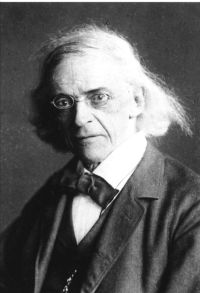
Portrait of Theodor Mommsen Theodor Mommsen,  The History of Rome, Book IV

“ So far Polybius was certainly qualified as no other was to narrate the history of the Roman people, which actually solved the marvellous problem of raising itself to unparalleled internal and external greatness without producing a single statesman of genius in the highest sense, and which resting on its simple foundations developed itself with wonderful almost mathematical consistency. But the element of moral freedom bears sway in the history of every people, and it was not neglected by Polybius in the history of Rome with impunity. ”
Source: Gutenberg

Get perspective with Kwize: daily news enlightened by great literature