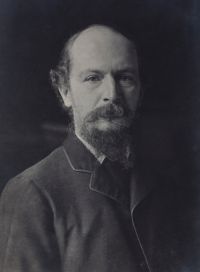
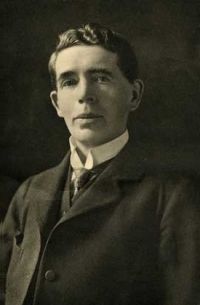
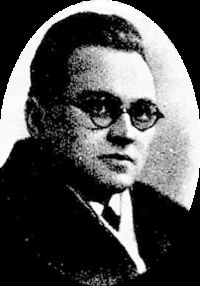
Censorship, the act of regulating or restricting information, ideas, or expressions, has long been a topic of discussion in literature and law. From Rousseau’s claim that censorship mirrors public opinion to Shaw’s criticism of stage regulations, writers have wrestled with its consequences.
Douglas cautioned against its threat to liberty, while Hackett highlighted its dependence on group mentality and irrationality. Legal cases, such as Times Film Corporation v. City of Chicago, emphasize the conflict between censorship and free speech. These viewpoints together portray censorship as both an instrument of power and a disputed line between control and personal freedom.
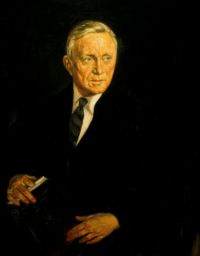 William O. Douglas,
Times Film Corporation v. City of Chicago…
William O. Douglas,
Times Film Corporation v. City of Chicago…