“ Censorship, almost extinct in the restriction of the national literature, thrives in every other field. Censorships abound. Food, drink, movies, politics, baseball, diversion, dress—all these are under the jurisdiction of a continually aroused censorship. The pulpits and editorial pages emit sonorous hymns of taboo. Every caption writer is an Isaiah, every welfare worker fancies himself the handwriting on the wall. Unchallenged by the vote of the masses or by any outward evidence of mass dissent, the platitudes pile up, the nation is filled from morning to morning with stentorian clamor. ”
Censorship
Definition and stakes
Censorship involves suppressing speech or information considered objectionable, often justified by moral, political, or social standards. From Plato’s advocacy in The Republic to modern critiques by figures like William O. Douglas, who condemned its threat to liberty, the theme has been examined through varied perspectives.
Jean-Jacques Rousseau viewed censorship as an expression of public opinion, while George Bernard Shaw challenged institutional restrictions on artistic expression. These viewpoints emphasize the conflict between control and freedom, demonstrating how censorship influences cultural and political environments. The synthesis of the data shows that although censorship is frequently defended as essential, it inherently carries the risk of eroding the very freedoms it purports to safeguard.
Quotes about “censorship”
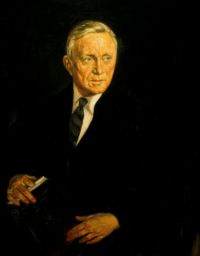 William O. Douglas,
Times Film Corporation v. City of Chicago…
William O. Douglas,
Times Film Corporation v. City of Chicago…
“ Another evil of censorship is the ease with which the censor can erode liberty of expression. One stroke of the pen is all that is needed. Under a censor's regime the weights are cast against freedom. ”
 Jean-Jacques Rousseau,
The Social Contract
(1913)
Jean-Jacques Rousseau,
The Social Contract
(1913)
“ The Censorship AS the law is the declaration of the general will, the censorship is the declaration of the public judgment: public opinion is the form of law which the censor administers, and, like the prince, only applies to particular cases. ”


Related terms
Authors who wrote about “censorship”
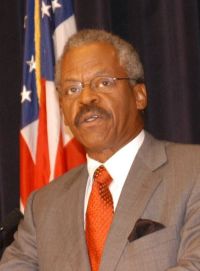 Bernard Shaw
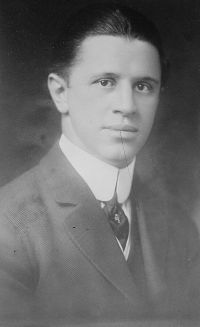 George CreelBenjamin Constant
 George Bernard ShawWilliam O. DouglasJean-Jacques Rousseau
 Hugo Black
 George OrwellCharles Evans Hughes
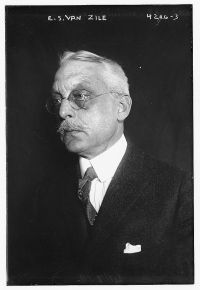 Edward S. Van Zile
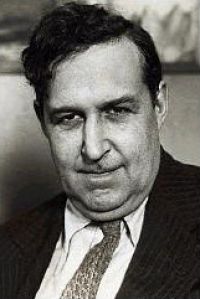 Heywood Broun
 Carl Schurz
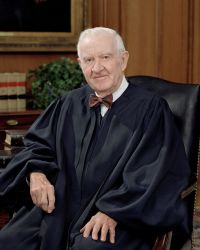 John Paul Stevens
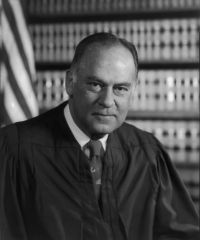 Potter StewartWilliam J. Brennan, Jr.
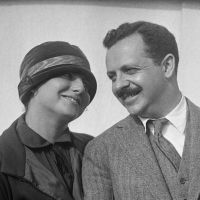 Edward L. Bernays
 Plato
Plato Francis HackettBaroness Emmuska Orczy Orczy
 Arthur Quiller-Couch
Related articles
The paradox of the censor: When silencing dissent turns into political spectacle
When governments ban voices, they inadvertently write a new script. State attempts to control political discourse—from theatrical prohibitions to broadcast bans—frequently backfire, turning suppression into a farcical performance where the state is the clumsy villain and silence is the most potent form of political critique.
The Mirror and the Moral Compass, The Enduring Conflict in Youth Literature
For centuries, adults have debated whether books should protect children's innocence or prepare them for a complex world. This enduring conflict reveals society’s deepest anxieties about how youth transforms into adulthood.
