The concept of "model" includes both a physical template and an abstract ideal, acting as a fundamental component in art, education, and philosophy. From an artistic standpoint, Giovanni Duprè stressed its role in depicting external forms, while Sir Joshua Reynolds underscored its importance in refining natural observations. In wider contexts, Thomas E.
Sanders viewed the model as a moral guide influencing lives, and Henry Fielding compared human experiences to blueprints of existence. These differing perspectives highlight the model’s dual role as both a practical instrument and a philosophical standard, connecting creativity with reality. The integration of these viewpoints reveals the model as a dynamic interaction between replication and originality, shaping both personal expression and shared understanding.
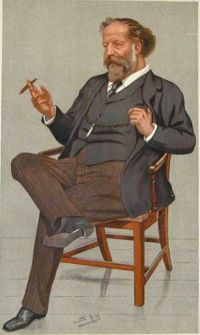 J. Comyns Carr,
Coasting Bohemia
J. Comyns Carr,
Coasting Bohemia