Resemblance, the perceived similarity between distinct entities, has long fascinated thinkers and artists alike. From Oliver Wendell Holmes Sr.'s observation that portraits reveal unexpected familial likenesses to Lord Henry Home Kames' assertion that the greatest pleasure arises when similarity emerges unexpectedly from contrasting contexts, the theme reveals a tension between expectation and surprise.
Philosophers like David Hume linked similarity to human empathy, while Alexandre Dumas pondered the rarity of accidental facial parallels, and Blaise Pascal noted how paired likenesses amplify humor. Whether in art, psychology, or metaphysics, similarity serves as both a perceptual tool and a conceptual puzzle, bridging the tangible and the abstract. The data underscores its dual role: as a foundation for identity and a catalyst for deeper inquiry into difference and connection.
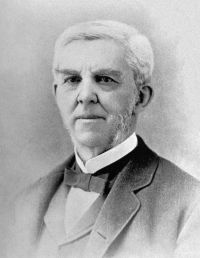 Oliver Wendell Holmes Sr.,
The Professor at the Breakfast-Table
(1860)
Oliver Wendell Holmes Sr.,
The Professor at the Breakfast-Table
(1860)