Seneca

Definition and stakes

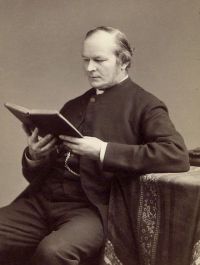
Portrait of F. W. Farrar F. W. Farrar,  Seekers after God

“ When we remember the sins of Seneca's life, let us recall also the constancy of his death; while we admit the inconsistencies of his systematic philosophy, let us be grateful for the genius, the enthusiasm, the glow of intense conviction, with which he clothes his repeated utterance of truths, which, when based upon a surer basis, were found adequate for the moral regeneration of the world. Nothing is more easy than to sneer at Seneca, or to write clever epigrams on one whose moral attainments fell infinitely short of his own great ideal. ”

Source: Gutenberg

Harold Edgeworth Butler,  Post-Augustan Poetry From Seneca to Juvenal

“ It is easy for a writer at once so fluent and so brilliant to give the impression of insincerity; but the philosophical works of Seneca ring surprisingly true. We cannot doubt his faith, though his life may at times have belied it. He reveals a warmth of human feeling, a richness of imagination, a comprehension of human failings and sorrows, that make him rank high among the great preachers of the world. Even here, it is true, he has his failings; he repeats himself, has little constructive talent, and fails at times to conceal a passion for the obvious beneath the brilliance of his epigram. ”
Source: Gutenberg

William Hazlitt,  The Collected Works of William Hazlitt…

“ Seneca cannot be too heavy, nor Plautus too light for him.’ He has not only the same absolute command over our laughter and our tears, all the resources of passion, of wit, of thought, of observation, but he has the most unbounded range of fanciful invention, whether terrible or playful, the same insight into the world of imagination that he has into the world of reality; and over all there presides the same truth of character and nature, and the same spirit of humanity. ”
Source: Gutenberg

Get perspective with Kwize: daily news enlightened by great literature