Roman Senate

Definition and stakes

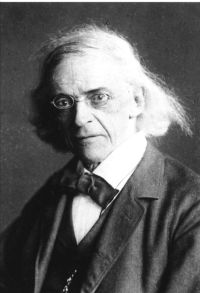
Portrait of Theodor Mommsen Theodor Mommsen,  The History of Rome, Book III

“ But the headlong fall of the Roman power was owing not to the fault of Quintus Fabius or Gaius Varro, but to the distrust between the government and the governed—to the variance between the senate and the burgesses. If the deliverance and revival of the state were still possible, the work had to begin at home with the re-establishment of unity and of confidence. To have perceived this and, what is of more importance, to have done it, and done it with an abstinence from all recriminations however just, constitutes the glorious and imperishable honour of the Roman senate. ”
Source: Gutenberg

John Lord,  The Old Roman World : the Grandeur and Failure of Its Civilization

“ For five hundred years there was neither anarchy nor military despotism. If every citizen knew how to fight, every citizen also knew how to govern, to submit. No consul dared to exceed his trust; no general, till Caesar, ventured to cross the Rubicon. The Roman Senate never lost its dignity— a supreme body which controlled all public interests. The Romans were sufficiently wise to bend to circumstances. Though proud, the patricians made concessions to plebeians whenever it was necessary. The right of citizenship was gradually extended throughout the Empire. ”
Source: Gutenberg

Get perspective with Kwize: daily news enlightened by great literature