Curia

Definition and stakes

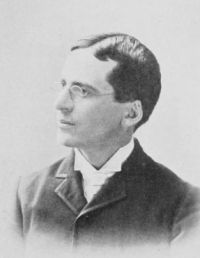
Henry Dwight Sedgwick,  A Short History of Italy (476-1900…

“ Likewise all have the example of many other princes, whose lands and persons she squeezed under an interdict till she had reduced them to similar servitude. We pass over her simony, her unheard-of exactions, her open usury, and her new-fangled tricks, which infect the whole world. We pass over her speeches, sweeter than honey, smoother than oil,—insatiable bloodsuckers! They say that the Roman Curia is the Church, our mother and nurse, when that Curia is the root and origin of all evils. She does not act like a mother, but like a stepmother. ”

Source: Gutenberg

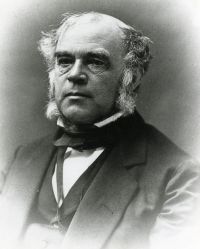
Portrait of William Smith William Smith,  A Smaller Dictionary of Greek and Roman Antiquities

“ The plebeians had no connection whatever with the curiae. All the members of the different gentes belonging to one curia were called, in respect of one another, curiales. The division into curiae was of great political importance in the earliest times of Rome, for the curiae alone contained the citizens, and their assembly alone was the legitimate representative of the whole people. [Comitia curiata.] Each curia as a corporation had its peculiar sacra, and besides the gods of the state, they worshipped other divinities and with peculiar rites and ceremonies. ”
Source: Gutenberg

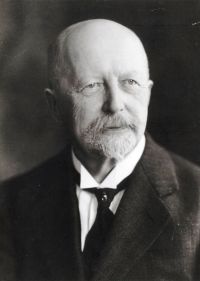
Portrait of Henry Charles Lea Henry Charles Lea,  The Cambridge Modern History, Volume 1… (1902)

“ The instructions of the Spanish delegates ordered them to labour especially for the reformation of the Curia; for the chief objection of the infidels to Christianity arose from the public and execrable wickedness of Rome, for which the Pope was accountable. It was apparently to forestall action that, in March, 1512, Julius appointed a commission of eight Cardinals to reform the Curia and its officials and, on March 30, he issued a bull reducing the heavy burden of fees and other exactions. ”
Source: Wikisource

Get perspective with Kwize: daily news enlightened by great literature