Summary

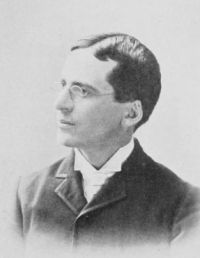
Portrait of George Willis Botsford George Willis Botsford The Roman assemblies from their origin to the end of the Republic (1909)

But when in compliance with the same resolution of the senate, a law was passed about me in the comitia centuriata, who is there who does not profess that then he was present, and that he gave a vote in favor of my safety? Which cause, then, is the one which ought to appear popular? That in which everything that is honorable in the city, and every age, and every rank of men agree?
Source: Gutenberg

Portrait of George Willis Botsford George Willis Botsford The Roman assemblies from their origin to the end of the Republic (1909)

Though at times, as when controlled by the rural element of the citizen body, it could be induced to adopt liberal, statesmanlike measures such as the agrarian and colonial laws of the Gracchi, the usual dominance of the ignorant and unprincipled poor of the metropolis inclined it to a short-sighted, selfish course of conduct—rendering it a powerful weapon in the hands either of the demagogue or of the plutocratic senate, equally effective for resisting genuine reforms and for destroying the institutions of the republic.
Source: Gutenberg

Portrait of George Willis Botsford George Willis Botsford The Roman assemblies from their origin to the end of the Republic (1909)

After a brief period of pretended liberty following the assassination of the dictator, they lapsed with the fall of the republic into utter insignificance.
The comitia had filled a large place in the history of the state. They were the chief factor of constitutional progress and of beneficent legislation. Their development and decline involved the prosperity and the ruin of the republic. For the world they have a higher value. The tribal assembly, supporting the plebeian tribunate, was the storm centre of long, heroic struggles for human rights.
Source: Gutenberg

Get perspective with Kwize: daily news enlightened by great literature