Voting is a procedural method allowing groups, from assemblies to electorates, to make collective decisions or express preferences, often formalized through ballots. It forms the foundation of democratic governance, where electoral systems—ranging from first-past-the-post to proportional representation—determine how choices translate into political power.
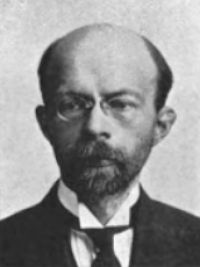
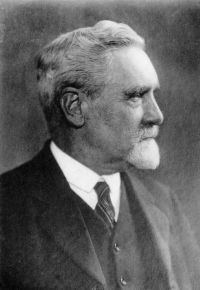
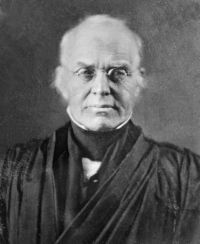
Authors like Horace Mann highlighted voting as a cornerstone of freedom, while John Stuart Mill critiqued its susceptibility to manipulation by oligarchic forces. D.C. Bloomer raised concerns about superfluous voting practices, and Frederic Austin Ogg examined legal structures influencing suffrage. These viewpoints emphasize voting’s dual nature as both a democratic instrument and a subject of continuous reform, reflecting tensions between individual autonomy, collective representation, and systemic fairness.
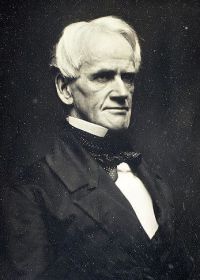 Horace Mann,
Slavery: letters and speeches
(1851)
Horace Mann,
Slavery: letters and speeches
(1851)